TriHealth Family Wellness Center

Taking care of your health involves more than visiting a doctor when you feel sick. While reactive care focuses on treating health problems after symptoms appear, preventive care helps you stay informed about your health and identify potential concerns early. Understanding the difference between these two approaches can help you make better decisions about your well-being.
At TriHealth Family Wellness Center, we believe regular healthcare visits are an important part of maintaining long-term health. Whether you need an annual physical, routine screening, or guidance on managing an ongoing condition, having a trusted healthcare provider can help you take a proactive approach to your health.
If you are looking for a medical clinic in Wesley Chapel, Florida, learning about preventive and reactive care is a great place to start.
What Is Preventive Care?
Preventive care focuses on maintaining your health and identifying potential problems before they become more serious. Instead of waiting until symptoms develop, preventive healthcare encourages regular checkups, recommended screenings, vaccinations, and healthy lifestyle habits.
These visits give your healthcare provider an opportunity to review your medical history, assess your current health, and discuss any concerns that may affect your future well-being.

Common examples of preventive care include:
- Annual physical examinations and routine wellness visits
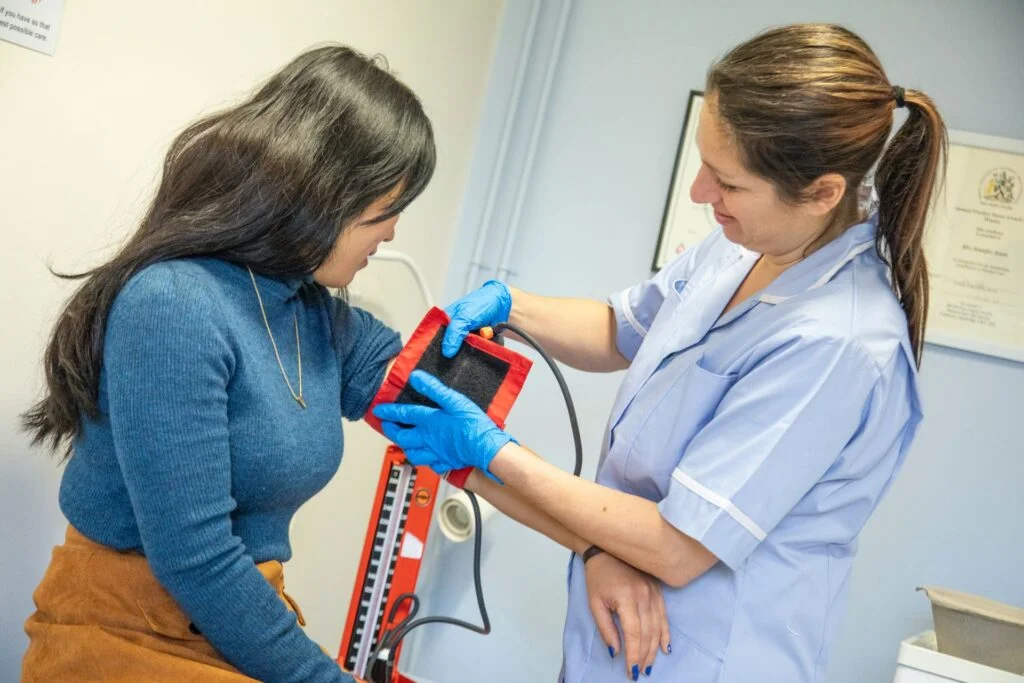
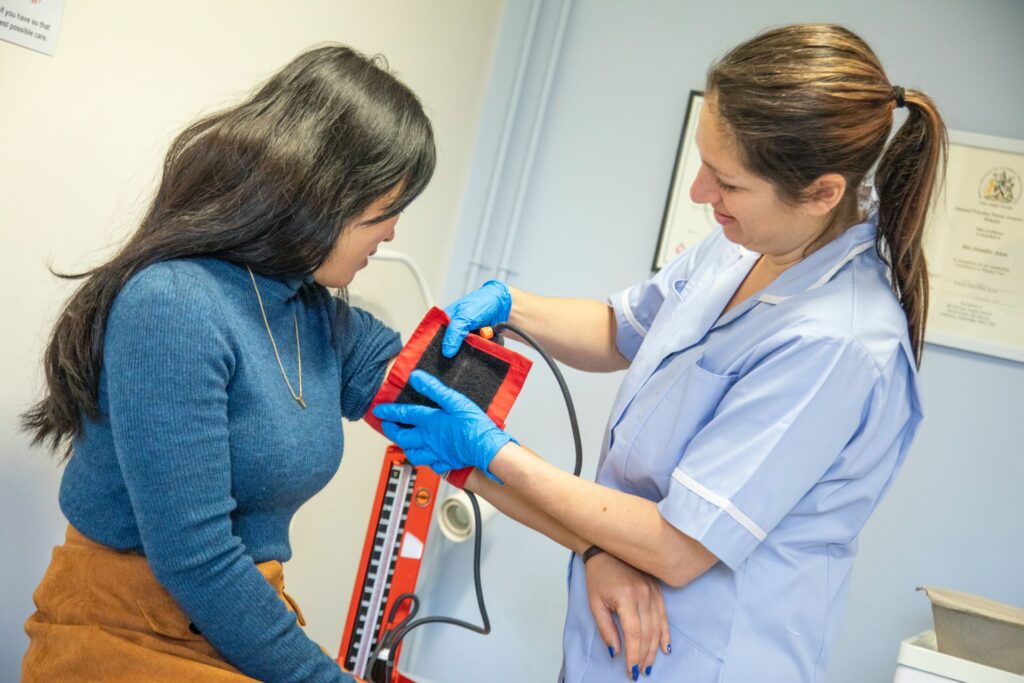
- Blood pressure, cholesterol, and blood sugar assessments when appropriate
- Age- and risk-based health screenings
- Recommended vaccinations
- Discussions about nutrition, physical activity, sleep, and stress management
- Reviewing medications and family medical history
- Monitoring risk factors for chronic conditions
The specific services you need will depend on your age, medical history, family history, and individual risk factors.
One of the biggest advantages of preventive care is the opportunity to recognize certain health risks before they lead to noticeable symptoms. Some conditions, including high blood pressure and elevated cholesterol, may not cause obvious symptoms in their early stages.
Regular health visits help you and your provider understand what is normal for you and determine whether additional evaluation or follow-up is needed.
What Is Reactive Care?
Reactive care, sometimes called illness-based or problem-focused care, involves seeking medical attention after symptoms develop or a health concern arises.

For example, you might schedule an appointment because you have a persistent cough, a sore throat, unusual fatigue, or a new health concern that needs evaluation. Reactive care also includes treatment and follow-up for injuries, infections, and changes in an existing medical condition.
Examples of reactive care include:
- Evaluating new or persistent symptoms
- Diagnosing and treating common illnesses
- Addressing minor injuries
- Investigating unexpected changes in your health
- Adjusting treatment when an existing condition worsens
Reactive care is essential. When something feels wrong, getting an appropriate medical evaluation is important. Preventive healthcare does not replace the need for treatment when you become sick.
However, relying exclusively on reactive care may mean missing opportunities to identify certain health risks before symptoms appear. A balanced healthcare approach includes both preventive visits and timely care when new problems arise.
Preventive Care vs. Reactive Care: What’s the Difference?
Although both approaches play an important role in healthcare, they serve different purposes.
Preventive care is focused on maintaining wellness, assessing risk factors, and identifying potential health concerns early. These visits are generally planned in advance and may take place even when you feel healthy.
Reactive care focuses on evaluating and treating an existing problem. These appointments are often scheduled when symptoms develop or an unexpected health issue requires attention.
For example, a routine wellness visit may include a discussion about your blood pressure, family history, and recommended screenings. If you later develop symptoms that require medical attention, a separate problem-focused visit may be necessary.
Neither approach is more important in every situation. Preventive care supports long-term health, while reactive care helps address immediate medical needs. Together, they form an important part of comprehensive primary care.
Why Are Regular Health Visits Important?
Scheduling routine healthcare visits is one practical way to stay informed about your health, even when you feel well.
1. Identify Potential Health Concerns Early
Some health conditions develop gradually and may not cause noticeable symptoms at first. Routine visits provide opportunities to check important health indicators and discuss whether recommended screenings are appropriate.
Early identification does not guarantee that complications can be prevented, but it may allow you and your healthcare provider to consider appropriate next steps sooner.
2. Monitor Your Overall Health
Your health can change over time. Regular appointments help your provider review important measurements, discuss new concerns, and compare current findings with previous results.
These visits can also help you understand how lifestyle habits, medications, and existing conditions may affect your overall health.
3. Receive Personalized Health Guidance
Health recommendations are not the same for everyone. Your age, family history, lifestyle, and medical background all influence which preventive measures may be appropriate.
During a wellness visit, you can ask questions about nutrition, exercise, sleep, stress, and other factors that affect your well-being. Your provider can help you identify practical steps that fit your individual needs.
4. Stay Current With Recommended Screenings
Depending on your age and health history, your provider may recommend screenings for conditions such as high blood pressure, diabetes, certain cancers, or high cholesterol.
Not everyone needs the same tests at the same time. A healthcare professional can help determine which screenings are appropriate and explain their potential benefits and limitations.
5. Build a Long-Term Relationship With Your Provider
Seeing the same primary care provider over time can help create continuity in your healthcare. A provider familiar with your medical history may be better positioned to recognize changes, coordinate follow-up care, and help you make informed decisions.
A consistent healthcare relationship also gives you a comfortable setting to discuss concerns and ask questions about your health.
How Often Should You Schedule A Health Visit?
There is no single appointment schedule that works for everyone. The frequency of your visits depends on your age, medical history, current health, and individual risk factors.

Many adults benefit from periodic preventive visits, but your provider can help determine the appropriate schedule for you. People managing chronic conditions or taking certain medications may need additional appointments to monitor their health.
You should also contact a healthcare professional when new symptoms develop rather than waiting for your next routine checkup.
If you experience severe chest pain, difficulty breathing, signs of a stroke, or another potentially life-threatening emergency, call 911 immediately.
How To Make The Most Of Your Preventive Care Visit?
A little preparation can help you get more value from your appointment.
Before your visit, consider taking these steps:
- Write down any health concerns or symptoms you have noticed.
- Bring an updated list of your medications and supplements.
- Be prepared to discuss your personal and family medical history.
- Ask whether you are due for any recommended screenings or vaccinations.
- Share any changes in your sleep, diet, physical activity, or daily routine.
- Prepare questions about test results, ongoing conditions, or preventive health goals.
Being open with your provider helps support a more productive conversation and allows you to participate actively in decisions about your care.
Find Preventive Healthcare In Wesley Chapel, Florida
Taking a proactive approach to your health starts with understanding your needs and scheduling appropriate medical visits. Preventive care can help you monitor important health indicators, stay current with recommended screenings, and make informed decisions about your well-being. When symptoms arise, timely reactive care remains equally important.
At TriHealth Family Wellness Center, we are committed to helping patients take an informed approach to their healthcare through personalized medical guidance and appropriate health services.
If you are looking for a medical clinic in Wesley Chapel, Florida, our team can help you explore your primary care needs and determine the next steps for your health.
Visit TriHealth Family Wellness Center to learn more about our services or schedule an appointment.
Your health deserves attention before a concern becomes urgent. Make regular healthcare visits part of your wellness routine.